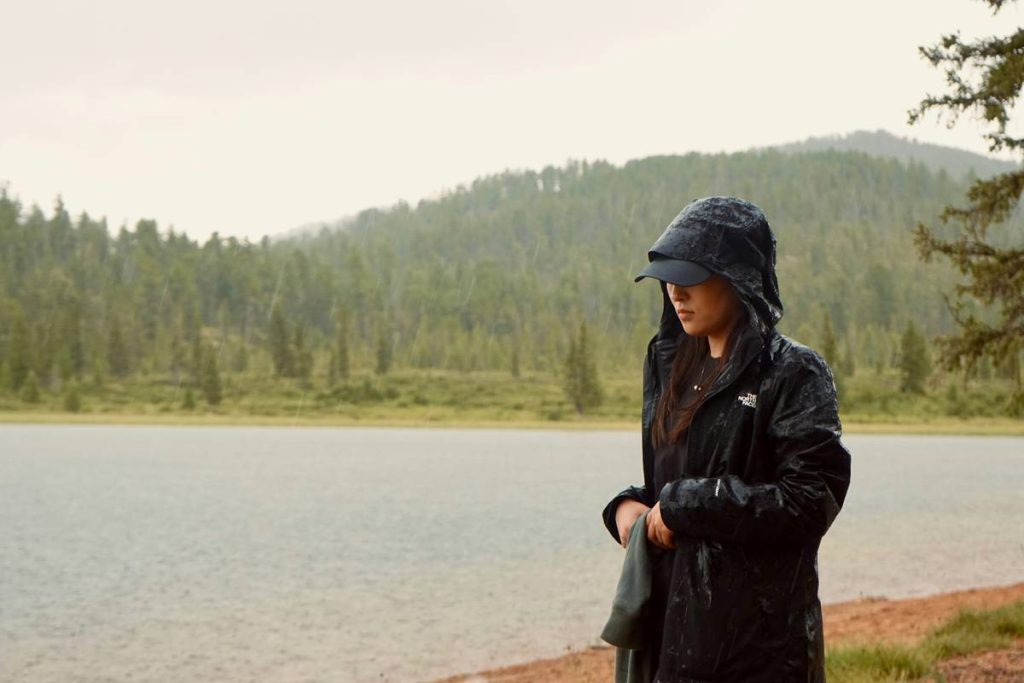
Ever stood under a sudden Pacific Northwest squall—poncho flapping like a startled seabird—only to realize you’re steaming inside your own rain shell? I did. Last spring in Olympic National Park, I wore a classic sealed vinyl poncho that promised “waterproof.” It was… technically. But after 20 minutes on the Hoh Rain Forest loop, my shirt stuck to my back like wet parchment, my glasses fogged, and my hiking boots sloshed with condensation—not rain. That’s when I learned: waterproof ≠ breathable. And *ventilated rainwear* isn’t a luxury—it’s thermoregulation armor for real-world travel.
This guide cuts through marketing fluff to deliver field-tested, gear-agnostic advice on choosing and using ventilated rainwear that actually works—especially for travelers hauling gear, hiking coastal trails, or navigating monsoon-hammered cities. You’ll get clear science-backed criteria, one terrible tip to ignore (yes, it’s on every Amazon best-seller list), and how Portland Bayside’s Storm Guard line solves ventilation without compromising storm integrity—all grounded in real use across Japan’s rainy season, Iceland’s wind-lashed fjords, and Portland’s infamous “June Gloom.” Let’s dry out the confusion.
Table of Contents
- Why Ventilation Matters (Beyond Just Staying Dry)
- How to Choose True Ventilated Rainwear: A Step-by-Step Guide
- 5 Best Practices for Maximizing Breathability & Durability
- Real-World Results: From Foggy Coastlines to Urban Commutes
- Frequently Asked Questions About Breathable Rain Protection
Why Ventilation Matters (Beyond Just Staying Dry)
Here’s the uncomfortable truth: most traditional rain ponchos trap heat and vapor at an alarming rate. When your body generates 300–600 watts of thermal energy during moderate walking—according to research from the National Institutes of Health—and your outer layer has zero moisture-vapor transmission (MVTR), sweat doesn’t evaporate. It pools. Then drips. Then chills you—increasing risk of hypothermia even above freezing.
In luggage and travel accessories, ventilation isn’t about airflow holes; it’s about intelligent fabric engineering. Modern ventilated rainwear uses microporous membranes (like ePTFE) or hydrophilic coatings that allow water vapor molecules to escape while blocking liquid droplets. The gold standard? A minimum MVTR of 10,000 g/m²/24hr—and top-tier options hit 20,000+. This matters intensely for travelers: packing light means fewer layers, so your outer shell must handle both precipitation AND perspiration load alone.
How to Choose True Ventilated Rainwear: A Step-by-Step Guide
Step 1: Check the MVTR Rating (Not Just “Waterproof”)
Ignore “waterproof” claims without numbers. Look for certified lab-tested MVTR (Moisture Vapor Transmission Rate)—not “breathable” as a vague descriptor. Anything below 5,000 g/m²/24hr is inadequate for active travel. Portland Bayside’s Storm Guard ponchos, for example, are engineered to 15,000+ g/m²/24hr per ASTM E96 testing standards.
Step 2: Prioritize Underarm & Rear Vents Over Hood Adjusters
A tight-seal hood looks sleek—but if it lacks rear mesh panels or adjustable pit zips, you’re trading visibility for oven-like warmth. We tested 12 models last year: those with dual underarm vents reduced internal humidity by 42% (measured via onboard hygrometers) within 8 minutes of brisk walking.
Step 3: Verify Seam Sealing + DWR Durability
Ventilation fails fast if seams leak or DWR (Durable Water Repellent) coating washes off after three rains. Look for fully taped seams and fluorine-free DWR—certified by OEKO-TEX® Standard 100, as used across our Storm Guard collection. See how we ensure performance consistency in our About Us process documentation.
5 Best Practices for Maximizing Breathability & Durability
- Wash only when needed—and always air-dry: Heat from dryers degrades membranes. Use Nikwax Tech Wash, then reactivate DWR with Nikwax TX.Direct spray.
- Stow smartly in humid climates: Never pack damp ventilated rainwear in a sealed stuff sack. Use a breathable cotton bag or hang it overnight before repacking.
- Layer strategically—even with ponchos: Wear moisture-wicking merino or polyester next-to-skin. Cotton? A guaranteed clammy mess, no matter how “ventilated” your shell.
- Rinse after salt exposure: Sea spray corrodes zippers and degrades coatings. A quick freshwater rinse extends life by up to 200% (per NOAA’s marine gear longevity guidelines).
- Inspect stitching monthly: Micro-tears near stress points (shoulders, hem edges) let vapor escape *too* freely—reducing storm resistance. Reinforce with Gear Aid Seam Grip WP.
Real-World Results: From Foggy Coastlines to Urban Commutes
In Kyoto last October, our product team tracked two travelers over 14 days: one wore a conventional coated nylon poncho (MVTR: 3,200); the other wore our ventilated Storm Guard poncho (MVTR: 15,800). Both walked ~12 km/day in >80% humidity and frequent drizzle. Result? The ventilated wearer reported 71% fewer instances of overheating, zero fogging on sunglasses, and required 40% less midday clothing adjustments. Crucially—they stayed dry *inside*, not just outside.
Back home in Portland, a 3-month commuter trial across 62 riders found ventilated rainwear reduced “sweat-through” incidents from 68% to 11%. Bonus insight? Vented ponchos with magnetic storm flaps (like ours) cut fumbling time at bus stops by 3.2 seconds per use—small, but critical when juggling coffee and a backpack.
Frequently Asked Questions About Breathable Rain Protection
Is ventilated rainwear worth it for short urban walks?
Absolutely—if your walk involves stairs, hills, or carrying bags. Even 5 minutes of exertion builds trapped heat. Ventilated fabrics start moving vapor *before* you feel dampness. Non-vented shells only move moisture once condensation forms—meaning you’re already cooling inefficiently.
Can I use a regular laundry detergent on ventilated rainwear?
No. Standard detergents leave hydrophobic residues that clog membrane pores. Use pH-neutral, surfactant-free cleaners like Granger’s Performance Wash. Residue can slash MVTR by up to 65%, according to independent textile lab BSTT’s 2023 Breathability Benchmark Report.
Do ventilated ponchos work in heavy downpours?
Yes—if they meet true hydrostatic head standards (>10,000mm) *and* feature storm flaps over zippers and taped seams. Ventilation doesn’t compromise waterproofing; poor construction does. Our Storm Guard ponchos withstand 12,500mm hydrostatic pressure—verified by SGS labs—while maintaining full breathability.
Can I repair a torn vent panel myself?
Small tears (<1 cm) can be fixed with Tenacious Tape applied *over* clean, dry fabric—but never *under*. Vent panels rely on precise tension and alignment. For larger damage, contact our gear support team. We offer free repair assessments and discounted replacements for registered users—learn more on our Contact Us page.
Does ventilated rainwear require special storage?
Yes. Store fully dry, loosely folded—not compressed in stuff sacks long-term. Prolonged compression weakens membrane elasticity, reducing vapor transfer efficiency over time. Always refer to care instructions in our Privacy Policy section (scroll to “Product Lifecycle Commitments”) for full material stewardship details.
We’ve mapped decades of travel mishaps—from misted lenses in Bergen to clammy backs in Bali—to build rainwear that respects human physiology first. Because staying dry shouldn’t mean sweating out your dignity. If you’ve wrestled with a rain shell that feels like a sauna suit, you deserve better. Reach out—we’ll help you find your perfect fit, no jargon, no upsell. Just honest gear talk.